

The Press at Cal Poly Humboldt publishes high-quality trade and scholarly works by or of interest to our campus community. The Press supports Cal Poly Humboldt's mission to improve the human condition and our environment by promoting understanding of social, economic, and environmental issues. The Press welcomes proposals by all authors through the Submit Proposal link on the sidebar.
The Press at Cal Poly Humboldt is a non-profit service of the Cal Poly Humboldt Library and is supported by dedicated members of the campus community, student assistants, and Library Scholar Interns. To support open-access publishing or student learning at the Press, please select the Support Publishing Internships button on the sidebar or contact us at [email protected].










-
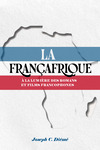
La Françafrique: à la Lumière des Romans et Films Francophones
Joseph Diémé
Qu’est-ce que la Françafrique? Qui sont ses acteurs? Où et comment opèrent-ils? Cet ouvrage tente de répondre à ces questions complexes à la lumière d’essais politiques, de romans et films de pays francophones. Pas à pas, le lecteur découvre comment la fiction offre un cadre pertinent non seulement pour comprendre le concept « Françafrique », mais aussi pour identifier quelques-unes de ses ramifications sur le continent africain.
-
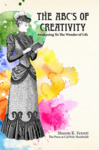
The ABC's Of Creativity: Awakening To The Wonder Of Life
Sharon K. Ferrett
What if creativity is about attitude, not technique?
What if expanding our awareness inspires our creative energy?
What if creativity is love and joy expressing themselves?This little book urges us to be more open, joyful, aware, and embracing of the mystery of creativity. We explore different experiences and perspectives on removing the blocks to inspiration. We discuss the importance of a positive mindset and simple practices that help us clarify and tackle our creative projects. This book is an exploration of possibilities and an invitation to wake up to the wonder of life and the mysterious, creative force within us all.
-
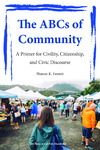
The ABCs of Community: A Primer for Civility, Citizenship, and Civic Discourse
Sharon K. Ferrett
In a world that often seems divided and polarized, we long for trust, communication and respect. Many of us are concerned about the rancor, discourse and fragmentation that we see in our families, workplaces and neighborhoods. We have lost a sense of community. We will explore simple ways to increase the sense of belonging, encourage dialogue and promote kindness, tolerance and understanding. Simple techniques, rituals and habits will help us create connections, form bonds of fellowship and truly see and hear other people. This little book will look at ways to build community, civility and common good.
-
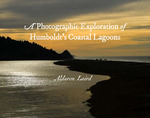
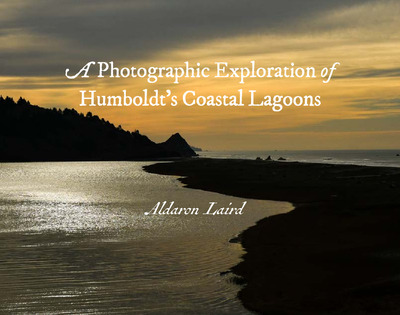
A Photographic Exploration of Humboldt's Coastal Lagoons
Aldaron Laird
This visually stunning book shows the same meticulous artistry that Aldaron displayed when depicting Wigi, but it shows places so different from Humboldt Bay that they seem to be of a different world. And in a sense they are, for the imprints of modern Humboldt County are here much less frequent and far, far gentler. Instead, we see the land of the Coastal Yuroks, which in many places is little changed from what it was like before the arrival of the Whites a hundred and seventy-five years ago. The only buildings we see are those of the traditional Yurok style, built by members of the tribe over the last few decades. The wildlife we see are the species that have survived large-scale hunting and fishing and the loss and damage of their habitat. The great coastal rocks we see stand as monuments to permanence, anchoring the land along the coast to the almost immutable past. Time and again we see places of breathtaking beauty which the hands of humans have seldom touched. We see all this because Aldaron has used his gifts as a photographer and naturalist to show them to us. - Jerry Rohde
-
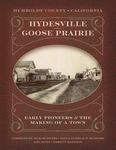
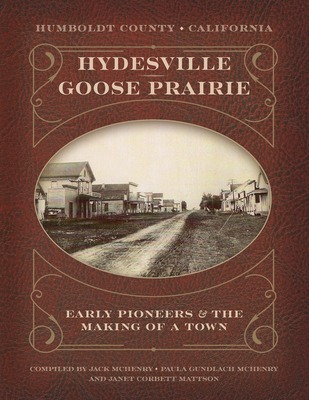
Hydesville Goose Prairie: Early Pioneers and the Making of a Town
Jack McHenry, Paula Gundlach McHenry, and Janet Corbett Mattson
This book is laid out as a timeline beginning when Hydesville was first being settled. Included are not only happenings in the area, but also events that were occurring outside the area that would have affect-ed or been of interest to Humboldt County residents. Great care has been taken to preserve the history of the area, to learn who the families were, their reason for coming to the area, and from where they originated. This book was compiled through the effort and interviews of the entire community. The McHenrys began collecting Hydesville history some sixty years ago. Jack McHenry wrote a paper for a history class at Humboldt State College on the history of Hydesville. It was printed in the Humboldt Historian. With Janet Corbett Mattson doing many hours of further research, the three of us published this book on our findings.
-
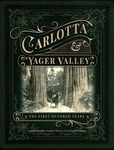
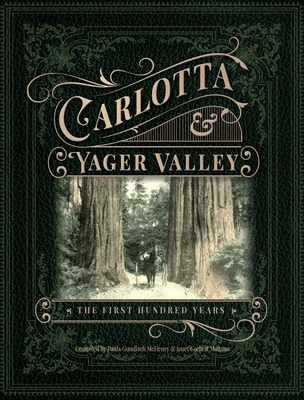
Carlotta and Yager Valley: The First Hundred Years
Paula Gundlach McHenry and Janet Corbett Mattson
This book is laid out as a timeline covering the first 100 years that Yager Creek and Carlotta were being settled. Included are not only the happenings in the area but events that were occurring outside the area that would have affected or been of interest to Humboldt County residents. Great care has been taken to preserve the history of the area, to learn who the families were, their reason for coming to the area, and where they came from. This book was compiled through the effort of the entire community.
-
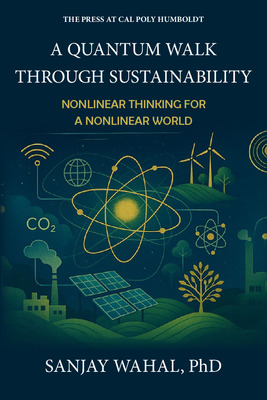
A Quantum Walk Through Sustainability: Nonlinear Thinking for a Nonlinear World
Sanjay Wahal
We are living through a planetary inflection point. Conventional sustainability thinking-rooted in linear logic, siloed disciplines, and incremental fixes-no longer suffices. The climate crisis is nonlinear. Our response must be as well.
In this book, Dr. Sanjay Wahal, global systems strategist and founder of Decarbonization, LLC, delivers a visionary, paradigm-shifting framework that draws inspiration from quantum theory to reimagine how we think, act, and lead for climate action.
This is not a book about quick fixes or silver bullets. It is a meditation on coherence, emergence, and transformation. It is for those who believe sustainability is not just a policy challenge, but a civilizational one. Whether you're a policymaker, entrepreneur, student, or community leader, this book will help you become the kind of actor the future needs: a quantum citizen in an entangled world.
-
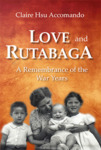
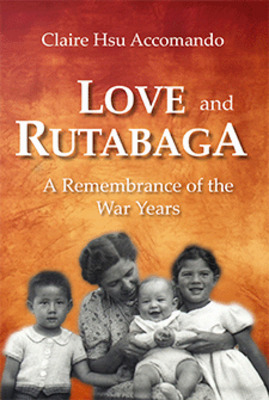
Love and Rutabaga
Claire Hsu Accomando
In Love and Rutabaga, Claire Hsu Accomando reflects on her formative years growing up in war-torn France. Born in 1937 to a French mother and Chinese father, Accomando was just a child when her father departed for China on diplomatic duty in 1941. Left behind, she and her younger brothers were raised by their mother and grandparents in the small village of Rahon during the German occupation.
Despite the fear and uncertainty of World War II, Accomando paints a surprisingly joyful and richly textured portrait of those years. Her grandparents' home became a sanctuary - not just for their family, but for anyone in need of refuge. Her grandmother's love of music and storytelling brought beauty and wonder into a world clouded by conflict.
Blending humor, tenderness, and the innocence of a child's view, Accomando recounts the everyday moments that defined her childhood. The title's pairing of "love" and "rutabaga" captures the dual essence of affection and survival that sustained her family. Through engaging storytelling and vivid detail, she offers a unique memoir of resilience, warmth, and unexpected happiness in the midst of war.
-
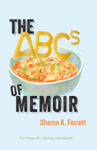
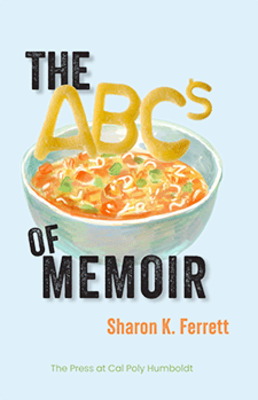
The ABC's of Memoir
Sharon K. Ferrett
Writing is a way to make sense and find meaning in your journey. Your story explores how you got to where you are and what it all means. It is a way to heal trauma and conflict and honor your inner life. You write to know yourself. Writing will transform you and inspire others in ways you cannot imagine.
-
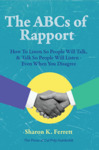
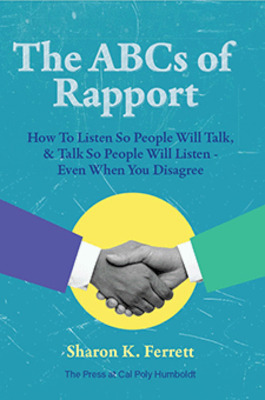
The ABCs of Rapport
Sharon K. Ferrett
In a world that often talks more than it listens, The ABCs of Rapport is a practical and heartfelt guide to creating meaningful connections, one conversation at a time. This book offers tools, tips, and strategies to help you really listen, communicate effectively, and bridge the distance between yourself and others. More than a communication manual, it’s an invitation to shift how you perceive people, and to see everyone as part of our shared humanity. Whether you’re talking with a child, partner, friend, neighbor, or coworker, The ABCs of Rapport helps you build understanding and connection, even in hard conversations. With reflection and practice, you’ll discover how every exchange can become an opportunity for empathy, trust, and authentic human connection.
-
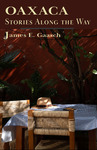
Oaxaca Stories Along the Way
James E. Gaasch
View the world of a local photographer... a market vendor... a painter... an academic... all through the eyes of an author who has fallen in love. This is not the simple infatuation of fairy tales, but the real love that comes from appreciating the whole. It comes from the beauty of a city and the hearts of its populace...
-
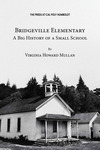
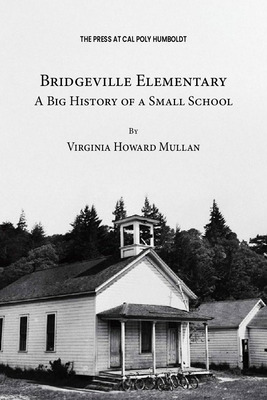
Bridgeville Elementary: A Big History of a Small School
Virginia Howard Mullan
Bridgeville Elementary: A Big History of a Small School is not a work of writing that is meant to be read from the beginning to the end. It is for those of us who only attended Bridgeville School for a short time but wanted to recapture those years. It is for teachers and students bitten by the nostalgia bug that want to revisit the school, (like Sean Byrd in 2024 or Mary Brandenburg (Jardin) in 1999) but don’t have the time or means to make a trip to the remote northwest.
-
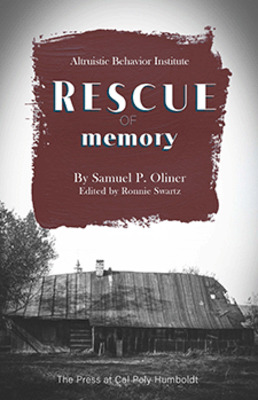
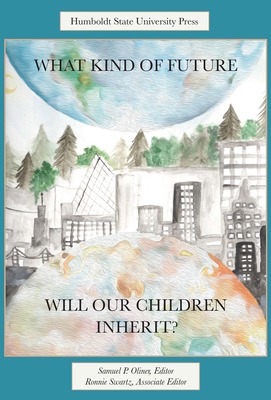
Rescue of Memory
Samuel P. Oliner and Ronnie Swartz
What motivates people to help, to care, to risk their own lives for others? What differentiates rescuers, helpers, carers, and bystanders?
There is no single explanation. Anyone who offers you a single explanation of why people do good things is oversimplifying. Empathy is very important. So is courage. And compassion. Bystanders, I want to impress on you, are not evil people; they are not people who should be put in a ship and sent to outer space. They are also good human beings, but they have not internalized some of the ethics of caring, of social responsibility, of knowing. They may not have learned from moral parents, role models, or ethical communities that we are our brothers’ and sisters’ keepers. That’s what makes me so optimistic at this stage in my life. In fact, teaching caring, compassion, and altruism is possible, is learnable, is doable. We can move millions of people from a role of neutral bystander—who say, “Well, these are not my people,” “I am too busy,” “It’s too dangerous,” “I don’t have the time,” and so forth. These people can be sensitized to the consequences of indifference. I know it is possible to teach people to care and then we can transform the bystanders, perhaps, into more helpers, altruists, and compassionate actors. -Dr. Samuel P. Oliner. September 9, 2003, “America at Night Reading Room”
-
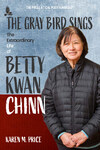
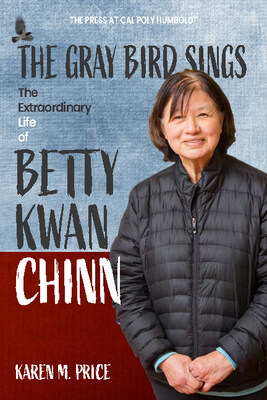
The Gray Bird Sings: The Extraordinary Life of Betty Kwan Chinn (Second Edition)
Karen M. Price Ph.D.
“Touched by childhood tragedy, Betty Chinn brings hope to those who have fallen on hard times. Left homeless as a child in China, Chinn became mute. When she came to America, she found both her voice and her mission: aiding those without shelter on our own shores. ” -Barack Obama, awarding Betty the Presidential Citizens Medal
As a child during the Chinese Cultural Revolution, she was separated from her family, imprisoned, and ruthlessly tortured. As an immigrant to the United States, she worked tirelessly to shelter and feed thousands in her community. How she survived monstrous conditions, challenged impossible odds, and became a beacon of hope for those most vulnerable is a story for our time.
Meet Betty Kwan Chinn.
The second edition includes all new material from recently uncovered historical context and personal stories. All royalties from the sale of this publication go directly to the Betty Kwan Chinn Homeless Foundation. If you would like to support the Foundation and their work, please go to https://bettychinn.org/how-to-help/donations/.
-
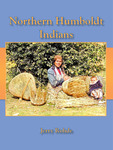
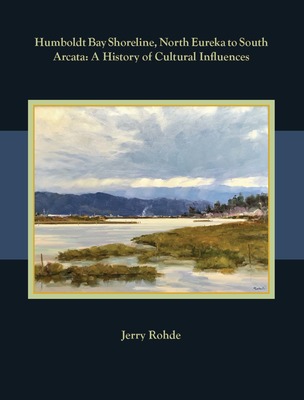
Northern Humboldt Indians: History of Humboldt County People and Places
Jerry Rohde
In what is now Humboldt County and southern Klamath County, seven Indian tribes made their home: the Mawenok, Whilkut, Tsnungwe, Hupa, Karuk, Yurok, and Wiyot. They arrayed themselves upon the land and sent their roots down into the earth, so that they had become as one with the place. Their villages were of long standing, and even their individual houses could sometimes be traced back, by name, for hundreds of years. In 1850, whites arrived on the shores to rage like a gale across the land. For 15 years the gale would sweep up the rivers and over the ridges and tear loose much of what the Indians had established in their homelands. And still the wind continued to blow, as the desire for gold was replaced by other desires—for ranchland, for timber, and even for the salmon. The wind blows yet. This is the story of what happened when the people of the wind met the people of the land.
-
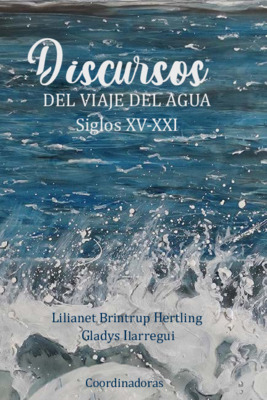
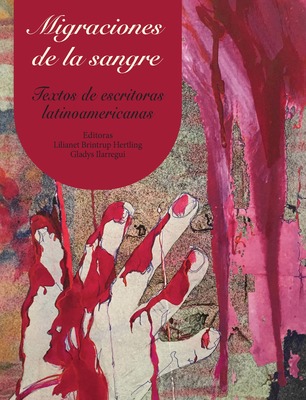
Discursos del viaje del agua: Siglos XV-XXI
Lilianet Brintrup Hertling and Gladys Ilarregui
Estos textos pasados por agua nacen del “IV Simposio Libros, Viajes, Viajeros y el discurso del agua” que tuvo lugar en la Europa-Universität Flensburg en Julio de 2022, frente al Mar Báltico. En un marco interdisciplinario cuyo tema central fuera el agua, se abrió un diálogo para sumergirse en las rutas marítimas de los diarios de viajeros, la influencia de los océanos en las literaturas y en los escenarios acuáticos de poblaciones diversas dentro y fuera de la imaginación histórico-literaria. Este volumen no pretende abarcar la totalidad de lo presentado en esa ocasión, sino reunir una serie de ensayos sobre el agua en Latinoamérica y en Europa.
-
The ABC's of Gratitude: The Power of Focusing on the Good
Sharon K. Ferrett
Even while struggling with the realities of daily life, you may have a glimpse of wonder that opens your heart and changes everything. Instead of being irritated by small annoyances or wallowing in misery, focus on the good, and your life will be transformed. It sounds too simple, but I have experienced the power of gratitude. Once you make looking for the good a daily habit, your life will be a continual source of thanksgiving. I offer this modest book as a primer to help you find countless opportunities to look for the good and practice gratitude.
-
The Tomboys of Cherry Lane
Morgan Flynn
You can pack a lot of friendship, feelings, and field hockey into 45 years. Playing on a field hockey team teaches you a lot about yourself and others—including some things you didn’t want to know. Friends who turn out to be as poisonous as toadstools may be the same ones who help you and become a part of who you are. They might even be the friends who will be with you for the rest of your life.
-
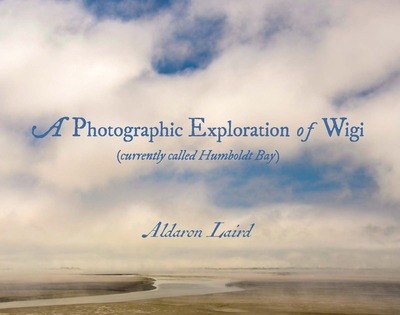
A Photographic Exploration of Wigi (currently called Humboldt Bay)
Aldaron Laird
For decades, Aldaron has walked the shores of the bay, climbed its nearby sand dunes, and kayaked its entire periphery, taking over 25,000 photos that reveal the beauty of Wigi as it might appear in some magical, glimmering dream. From those thousands of photos, Aldaron selected 119 for this book. For each photo he kept, he discarded 209 others, which means that of those 25,000 images, he used less than one percent. We might think that taking all those photos required a tremendous amount of work, but it soon becomes clear that Aldaron did not work on this book, he lived and breathed its very essence, so that every photo he did select opens like a window, showing us yet another wonderful facet of Wigi, this place of ten thousand smaller places where land and water so subtly, so strikingly meet. -Jerry Rohde
-
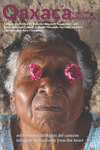
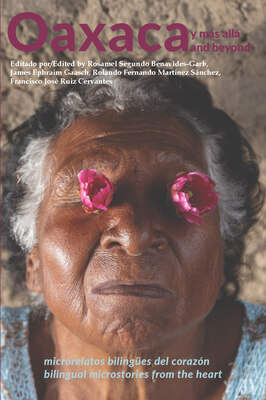
Oaxaca y más allá, microrelatos bilingües del corazón / Oaxaca and beyond, bilingual microstories from the heart
Rosamel Segundo Benavides-Garb, James Ephraim Gaasch, Rolando Fernándo MartÍnez Sánchez, and Francisco José Ruiz Cervantes
Oaxaca y más allá, microrrelatos bilingües del corazón, presenta una dimensión de la creatividad artística abundante que florece en este estado del sur de México. Los diecisiete escritores—ocho mujeres y nueve hombres—ofrecen aquí un total de treinta y seis relatos. Algunas historias presentan una relevancia tradicional y atemporal, mientras que otras se asocian a una estética diferente, una narrativa de ruptura y una exploración de la representación misma. De manera profunda, los microrrelatos de este breve volumen captan también nuestra humanidad compartida, y nosotros, los editores, apostamos a que las voces de esta colección nos conmuevan y unan.
Oaxaca and beyond, bilingual microstories from the heart, presents a slice of the rich artistic creativity flourishing in this southern state of Mexico. The seventeen writers—eight women and nine men—offer here a total of thirty-six stories. Some present a timeless, traditional relevance, while others are associated with a different aesthetic, a narrative of rupture and exploration of representation itself. In a profound way, the microstories in this slender volume also capture our shared humanity, and we the editors wager that the voices in this collection will touch and connect us. -
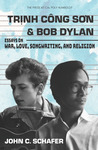
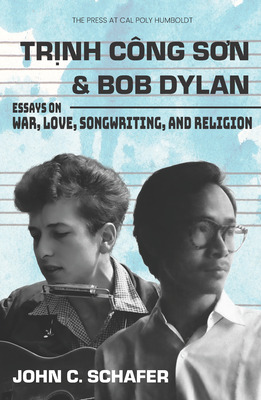
Trịnh Công Sơn and Bob Dylan: Essays on War, Love, Songwriting,and Religion
John C. Schafer
In this accessible deep-dive into the careers of Trịnh Công Sơn and Bob Dylan, Trịnh Công Sơn and Bob Dylan evaluates the relationship between two of the 20th century’s most beloved and essential songwriters. Schafer retells countless colorful stories from the two artists’ lives drawn from a wide range of Vietnamese and English-language sources, illuminating Vietnamese and American views on spirituality, romance, philosophy, identity, and conflict.
/="/">
/="/">Schafer critically examines the singers’ lifestyles, relationships, and public statements, meticulously collecting primary and secondary sources into a handy reader of 20th century global literary culture. The book even includes English translations of Trịnh Công Sơn’s essays and lyrics by Cao Thị Như Quỳnh, many here in translation for the very first time.
/="/">
/="/">Trịnh Công Sơn and Bob Dylan is an essential read for fans of Bob Dylan and Trịnh Công Sơn, and a substantive addition to the libraries of comparative literature scholars. -
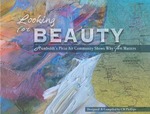
Looking for Beauty: Humboldt’s Plein Air Community Shows Why Art Matters
CM Phillips
This historic publication serves as Humboldt County's first anthology of painters. It showcases a snapshot in time of thirty-seven members of Humboldt's Plein Air community—from beginners to world-renown professionals—in an avant-garde design that blends layers of paintings with commentaries about them, photographs of the artists, and responses to the prompt, "Does art matter in this crossroads of our time?"
Now more than ever, it is an important question to ask. In this book, you'll find answers from thirty-seven different artists, with each response as unique as Humboldt's thriving Plein Air community. In he words of Plein Air painter Steven Taylor, "I am a part of an active art community, and this is our story."
Designed and compiled by CM Phillips
Artist photographs by Kristy Hellum
Foreword by James Woglom -
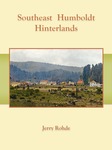
Southeast Humboldt Hinterlands
Jerry Rohde
A history of southeast Humboldt County, covering the years from 1850 to 1964, illustrated with over 175 full-color historical photographs and maps. Includes:
- Stories about the sheep ranchers who gambled and drank their days away in Blocksburg, the rescue party that took “High Rock” Gordon across the snowy wastes of Showers Pass, and the shootout on the Bridgeville bridge.
- Accounts of the governors from Michigan, who collected redwoods on the Van Duzen; the “second largest city in Humboldt County,” whose businesses failed to fill a single street; and the navy that removed the pepperwoods from Pepperwood.
From Iaqua to Harris, from Carlotta to Dinsmore, this historic work covers the 28 towns and places that make up this remote corner of the country.
-
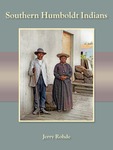
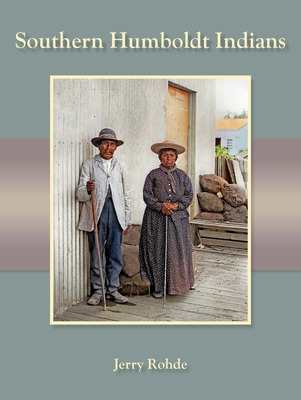
Southern Humboldt Indians
Jerry Rohde
More than a century after they had spoken, these early day Indians will be heard. All of us who make Humboldt County our home deserve to have access to this information. We deserve to know the many, many names of the tribal groups that were once here and to learn the story of these groups. And we deserve to know the names of the Indian elders who transmitted these names and told these stories, just as we deserve to know the stories about the elders themselves.
This is the 2024 second printing, which includes minor updates.
-
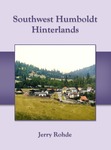
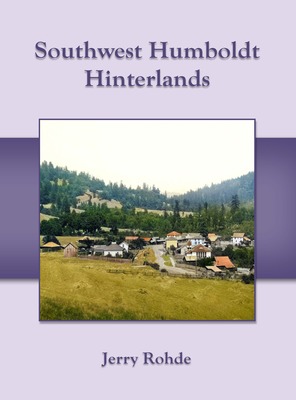
Southwest Humboldt Hinterlands
Jerry Rohde
A history of southwest Humboldt County, covering the years from 1850 to 1964, illustrated with over 200 full-color historical photographs and maps. Includes:
- Accounts of the oil “boom” in Petrolia, the building of the Redwood Highway, and the race to protect the redwoods of the Bull Creek and Dyerville flats.
- Stories about “sheriff” Ulysses S. Grant Myers, early- day environmentalist Laura Perrott Mahan, and Indian survivor George Burtt.
- Images, in words and pictures, of once-important but now nearly forgotten places such as Capetown, Dyerville, Briceland, and Bull Creek.
All of this and more will recall the rich history of the 24 places that make up this remote corner of the country.